The Rome in Style Collection - Your Private Roman Apartment
Historic Elegance by the Colosseum
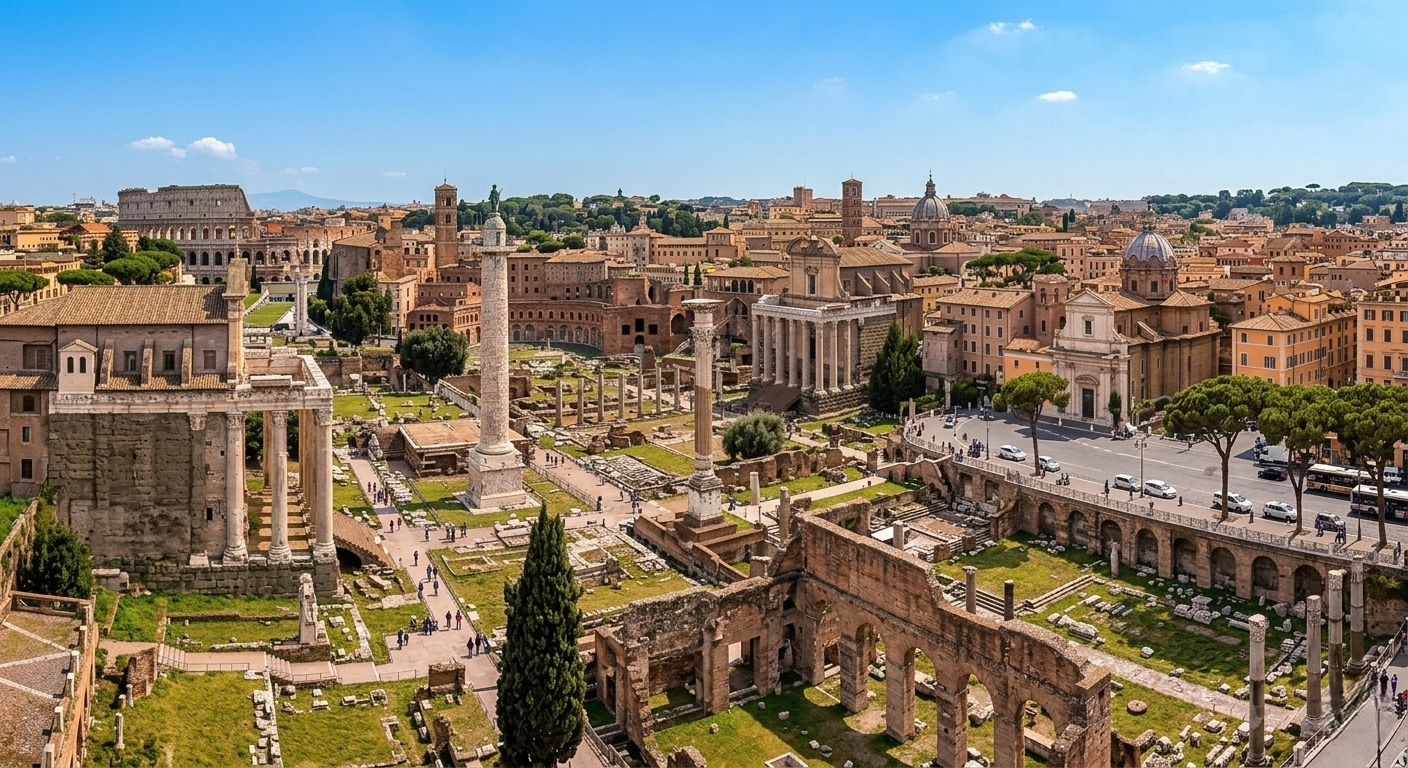
Stay in the heart of Rome, just steps from the Colosseum and Palatine Hill. Perfectly connected via the Vittorio Emanuele Metro, this apartment is a favorite for groups (9.7 rating).
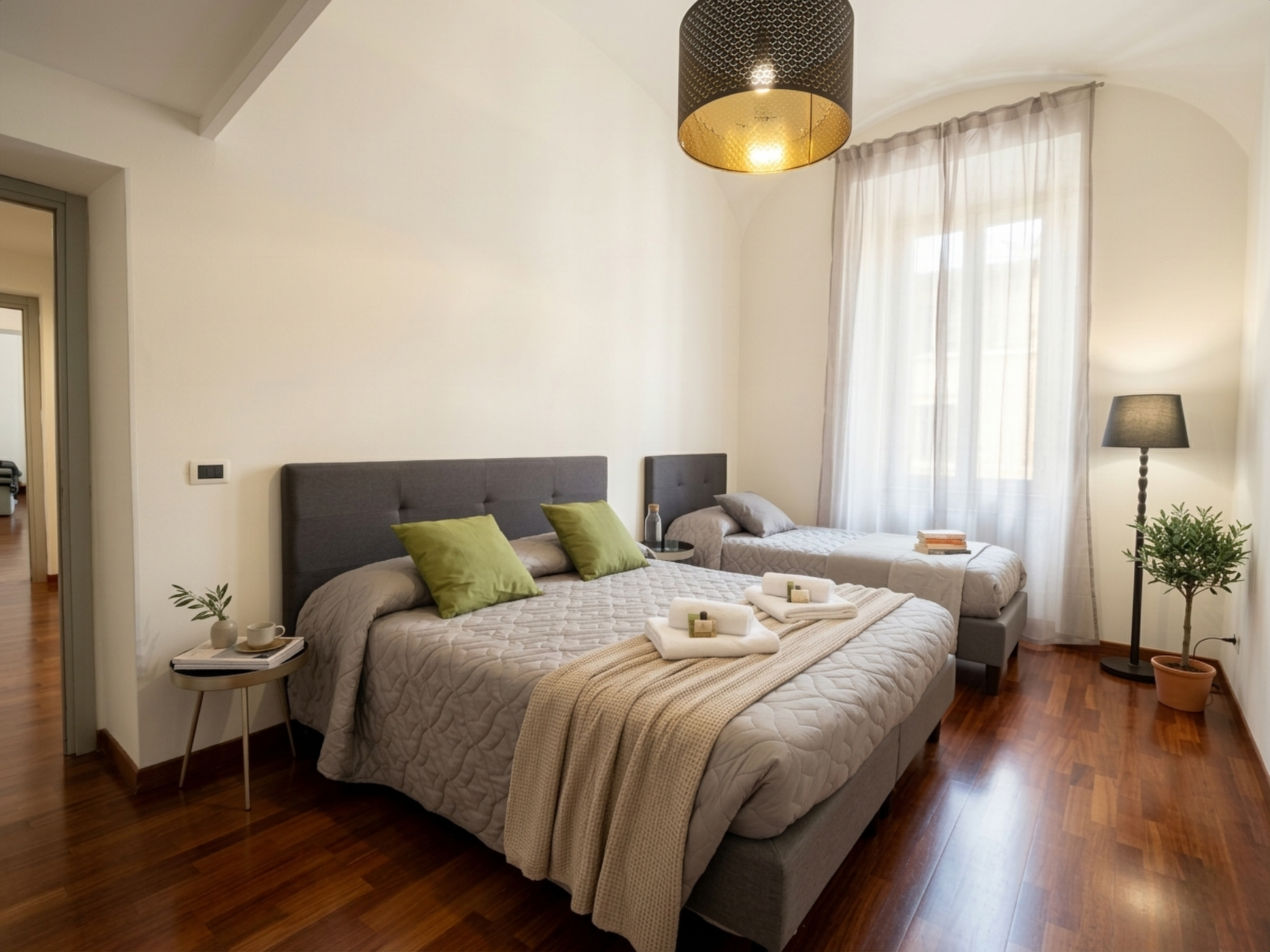
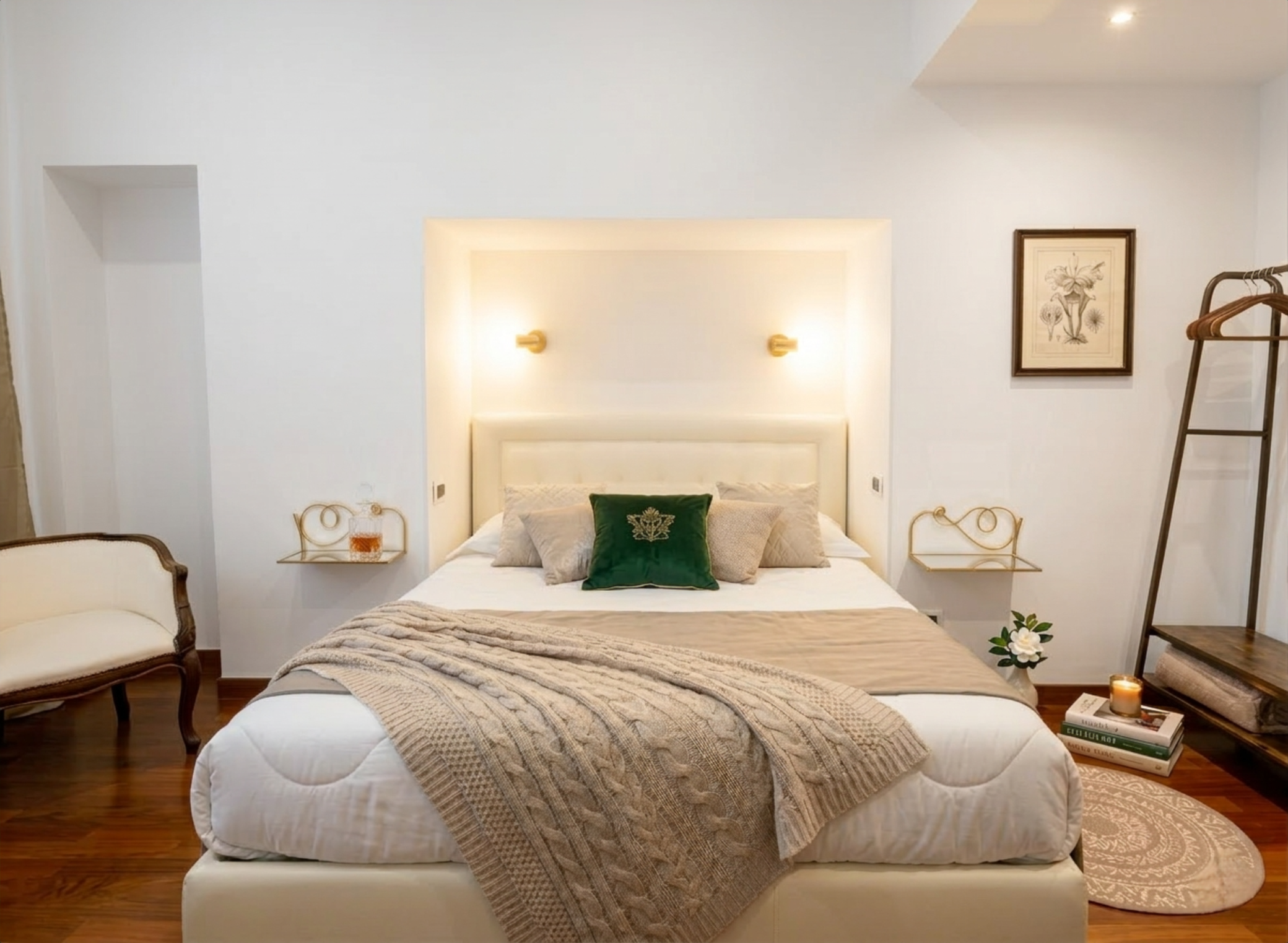
Space: 2 bedrooms, 2 bathrooms, and a cozy living area.
Comfort: Fully equipped kitchen and full air conditioning.
Location: Walk to Rome’s most iconic ancient landmarks.
Book the ultimate Roman home base for your group.
Terrace & Views near St. Peter’s
Enjoy Rome from your own panoramic terrace. Located walking distance from St. Peter’s Basilica and Campo de’ Fiori, this elegant home boasts a 9.6 guest rating.
Features: 2 bedrooms, private balcony, and bright living room.
Amenities: A/C, coffee machine, and all linens provided.
Vibe: Sophisticated living in the city's historic soul.
Your private rooftop retreat in the Eternal City.
Modern Living steps from the Vatican
Just 700m from the Vatican Museums, this apartment stands out with its rare terrace, balcony, and patio. Highly rated by groups (9.2), it’s perfectly placed near Ottaviano Metro.
The Setup: 2 bedrooms, a full kitchen, and stylish living space.
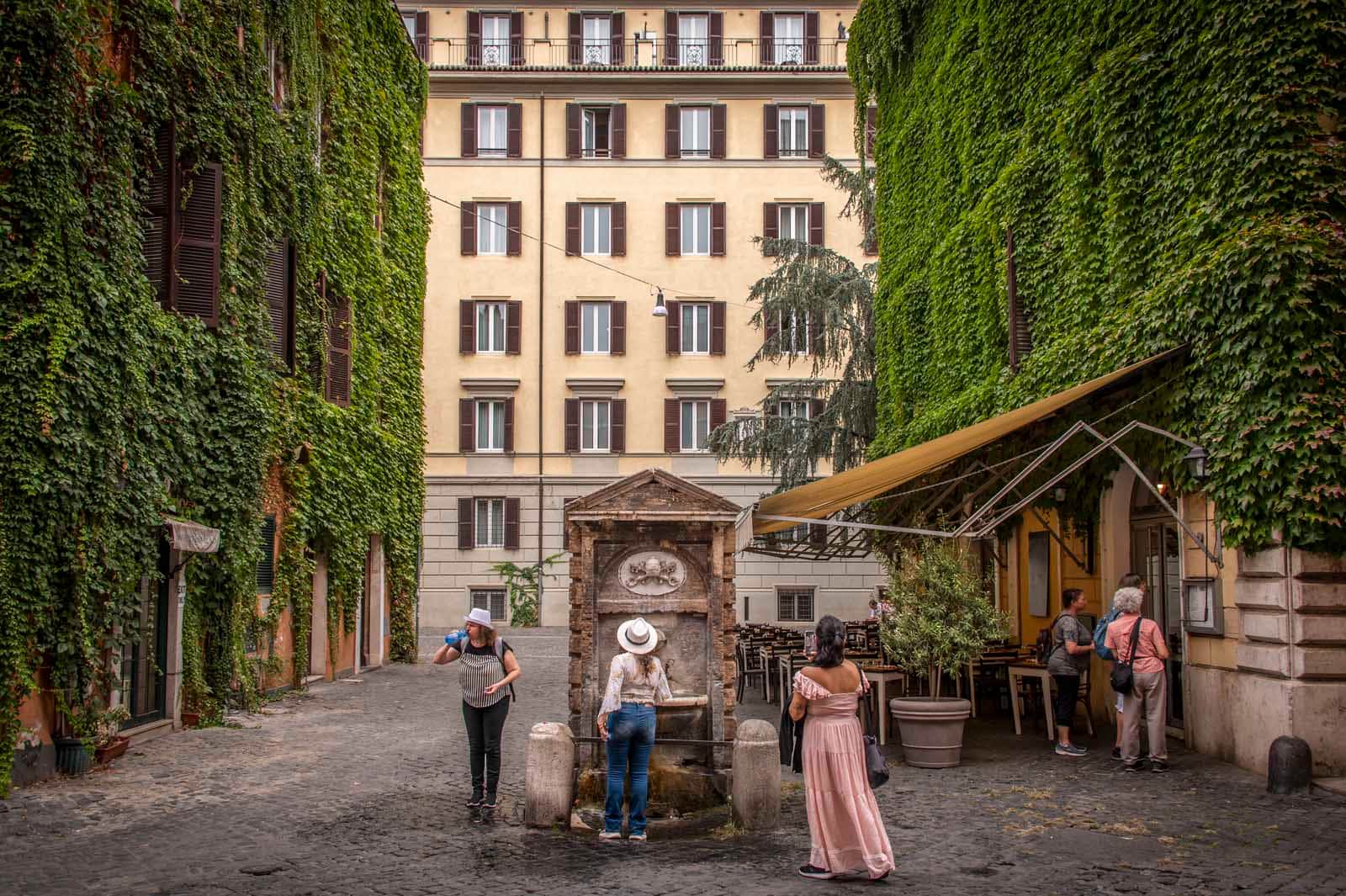
Location: Nestled in the chic Prati district, close to shops and cafes.
Essentials: Air conditioning and high-quality linens included.
Space, sunshine, and the Vatican at your doorstep.